Skip to content
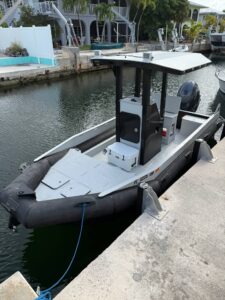
Rental fleet operators’ livelihoods are based on how often their boats are taken out on the water, so when one is stuck in maintenance it can cut into their profits. Especially when said maintenance is something major like repairs or corrosion management. Rather than continue to let themselves be at the mercy of their boats, many rental fleet operators went looking for more durable material alternatives and landed on HDPE.
What Rental Fleets Actually Demand from a Boat
A rental boat lives a different life from a privately owned vessel or a commercial workboat. It goes out multiple times a day, captained by operators with varying levels of experience and care for the condition of the vessel. Hulls can take quite a beating while the boat is in use, but it’s part of the territory.
Once it returns, it’s up to the rental operator to make sure their boat is clean, presentable, and ready for the next booking as quickly as possible. In an industry where most of the annual revenue is generated in a window of three to four months, boats that take a lot of turnaround time are not worth it.
The Problem with Traditional Hull Materials in a Rental Context
The material of the hull plays a big role in how much use you can actually get out of a boat before it needs to be looked at more thoroughly.
Fiberglass is the most common hull material in recreational and rental fleets, and it has real virtues: it looks good, and handles well in calm water. However, in a rental context, fiberglass hulls come with several issues that can’t be ignored:
- Gelcoat scratches and cracks from dock impacts and ramp dragging.
- Osmotic blisters build up over time in vessels that spend their lives in the water.
- Anti-fouling paint has to be stripped and reapplied on a regular cycle.
- Repairs require skilled labor and time out of service.
These issues are necessary to deal with but keep the vessel from being rented out.
Aluminum is durable in some respects but brings its own challenges.
Rather than bounce back from impacts, aluminum boats dent. Unfortunately, you can’t hide dents, and a dented hull doesn’t tend to inspire confidence in renters who are paying for a quality experience. It also doesn’t photograph well for listings on booking platforms.
Aluminum also corrodes in saltwater environments, requiring anodes, coatings, and inspections that cannot be skipped under heavy commercial rental use.
How HDPE Boats Change the Game
HDPE hulls absorb impact through deformation and recovery rather than permanent damage. The material flexes under impact and returns to its original form. A dock strike that would crack a fiberglass hull or dent an aluminum one bounces off an HDPE hull.
They also require very little upkeep:
- HDPE is a non-porous material, so boats don’t need anti-fouling paint, gelcoats, or sealants in the same way fiberglass boats do.
- A rinse after each use is sufficient to keep the hull clean and ready for the next renter.
- The color is integral to the material, so there is nothing to fade or chip.
- Marine-grade HDPE contains UV stabilizers the help resist sun damage. This means a boat coming out of its fifth season looks substantially similar to the one that went in after the first.
For fleet operators, the practical implication is this: HDPE boats do not accumulate a maintenance backlog.
Fiberglass and aluminum fleets develop a list of deferred repairs that grows over the season as boats get used hard and the schedule does not allow time to address damage properly. By the end of peak season, that list has to be worked through before the following year. HDPE fleets that list at a much slower rate, which means you don’t need to spend as much time on maintenance during the off-season and there are more boats available at the start of the next season.
Field repairs on HDPE hulls are also simpler than on fiberglass.
Damage that would require a specialist for proper gelcoat repair can often be addressed on-site with a plastic weld, putting the boat back in service in hours rather than days.
What HDPE Looks Like in Practice for a Rental Operation
The durability advantage of HDPE boats is not just about surviving damage; it’s about the condition the fleet presents to renters throughout the season. The rental market places a direct premium on what renters actually receive, and that experience begins at the hull.
Renters booking through platforms or arriving at a marina are evaluating what they are paying for. A fleet of scratched, sun-faded fiberglass boats with aging gelcoats tells one story. A fleet of HDPE boats that look consistent and well cared for tells another.
HDPE also gives rental operators a lot of flexibility when it comes to configuration that fiberglass and aluminum cannot match. Deck layouts, storage, seating, and equipment mounts can be built to fit the operation rather than accepted off a catalog. A fleet serving fishing renters has different layout needs than one serving casual lake users or a marina with a mixed customer base. Legacy builds every hull to specification, which means the boat serves the rental program rather than the operator working around a standard layout.
The Fleet Math: HDPE vs Traditional Materials
The standard rule of thumb in boat ownership is to budget approximately 10 percent of a boat’s value per year for maintenance. For a rental fleet that gets daily use, that figure is much higher. Anti-fouling paint for fiberglass hulls can cost several hundred dollars plus labor annually. Multiply that across a fleet of 10 or 15 vessels and the annual spend on hull maintenance alone is substantial before any actual repair work enters the picture.
HDPE boats don’t need any of that. What remains is genuinely minimal: rinse, inspect, and address any physical damage if it occurs. This makes for a significantly faster turnaround time than other boats.
Which Legacy Models Work for Rental Fleets
The right boat for a rental fleet depends on the operation: the body of water, typical group size, and intended use.
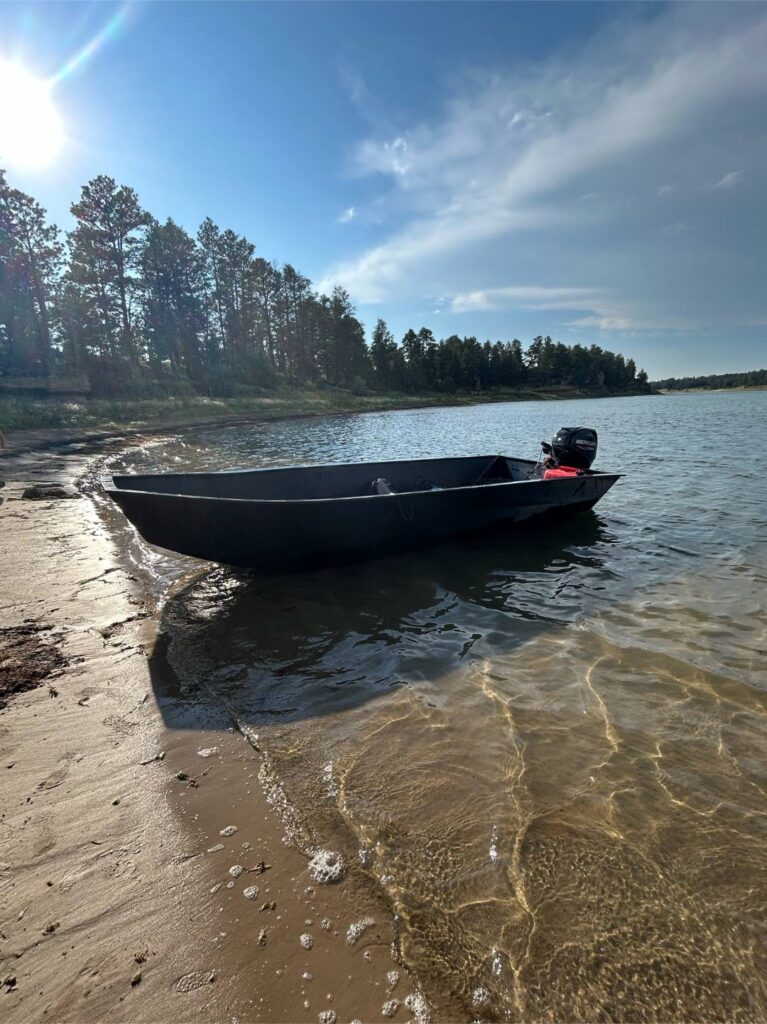
The A15 and A616 are compact, stable, and easy to operate, making them well suited for calmer water where simplicity matters most. Renters with limited experience handle them confidently, and their stability reduces the likelihood of incidents that require post-rental repair.
The L718 and L820 have a larger passengers and cargo capacity, suit a wider range of water conditions, and work well for rentals where groups want more room, or the operation covers open water.
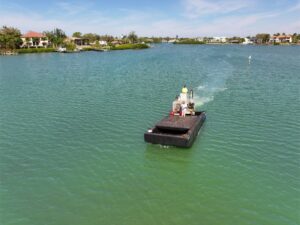
The T825 and T1026 barges suit operators running flat-water excursion rentals, event platforms, or work-adjacent programs where stability takes priority over speed.
Every model can be configured to fit the rental program. If your fleet needs a consistent look across multiple units, or the deck layout needs to match a specific use case, Legacy’s in-house manufacturing makes that possible without the lead times and minimum-order requirements that larger catalog manufacturers impose.
If you’re building a rental fleet around uptime, consistent presentation, and margins that hold through peak season, HDPE is the material to build it from. Contact Legacy to talk through which models fit your operation.