Workboats that take the salt and keep tending the farm.
American-made HDPE boats for fish farms, shellfish operations, and aquaculture sites. Engineered in-house in Wyoming to feed, tend, and harvest day after day with no rust, no recoating, and no corrosion from saltwater.
Saltwater wins every fight. Except this one.
A marine farm runs every day, and the water never stops working against the boat. Salt, constant wet, and the daily grind of feeding, tending, and harvesting. HDPE handles all of it, and we weld every hull from it.
Salt does nothing to it.
HDPE does not rust or corrode, so saltwater that eats aluminum and rots steel fittings has nothing to attack. No anodes, no bottom paint, and no corrosion creeping through the hull, season after wet season.
Built for the everyday grind.
HDPE absorbs the impacts and scrapes of working cages, lines, and docks that dent aluminum and crack fiberglass. Bump the pens, drag it up the bank, load it heavy, and keep tending, with no gelcoat to chip.
A hull that wipes clean.
HDPE is a solid, non-porous material that does not absorb water or leach, and it rinses down easily after a day in the pens. No flaking paint or gelcoat shedding into the water around your stock.
Damaged at the farm? Welded back.
HDPE is welded, not glued or riveted, so a repair is heat and a strip of the same material. No drydock and no fiberglass cure time before the boat is back tending the farm.
Recovered pipe. Made in Wyoming.
Every hull starts as decommissioned HDPE pipe, reclaimed and rebuilt in-house. 100% recycled, 100% recyclable, and American made, by a team you can talk to directly.
Recommended Builds
The right boat fortending the farm.
HDPE workboats matched to the water your operation runs, from sheltered pens to exposed sites.
Inland & sheltered
Ponds, lakes, and protected bays. Daily tending of pens and cages in shallow, calm water.
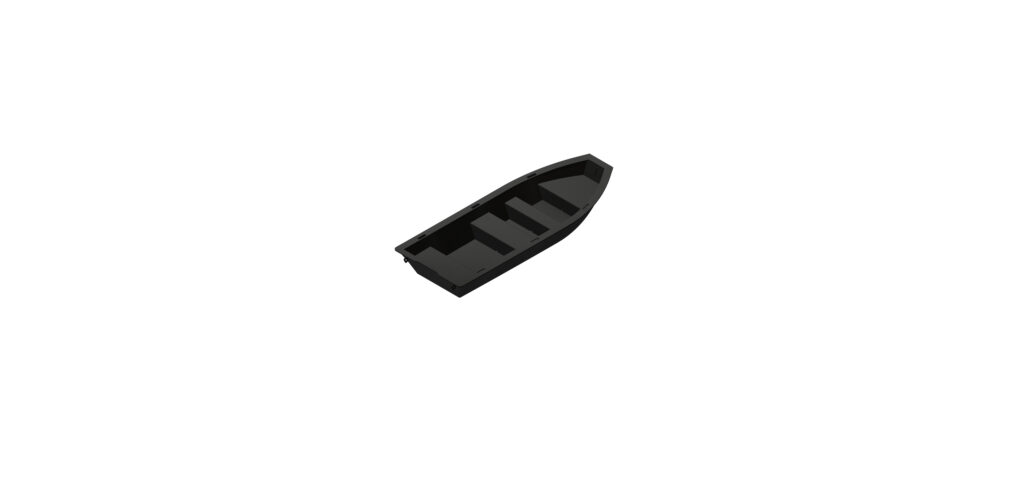
Starting at $2,900
A15 Jon Boat
A compact, shallow-water jon boat for navigating tight inlets and hauling gear. A thick half-inch HDPE hull makes it stable and dependable for everyday tending close to the pens.
Capacity
Team
Length
Range
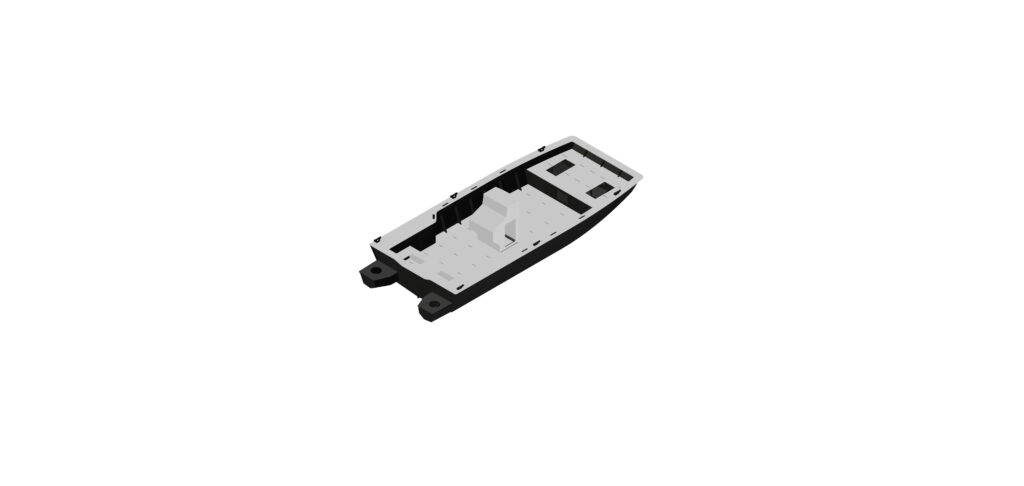
Starting at $27,200
A717 Boat
A roomier 17-foot Aylin that takes a bigger crew and load. Made from HDPE that resists UV, chemicals, and abrasion, so it holds up to the everyday wear of working the water.
Capacity
Team
Length
Range
Coastal & open water
Harbors, bays, and exposed sites. Faster runs and rougher water out to offshore pens.
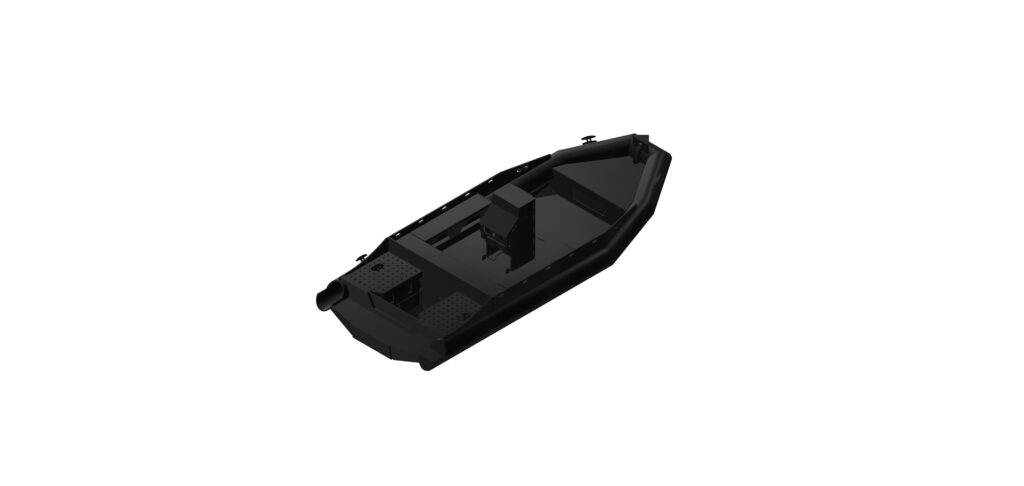
Starting at $28,200
L718 RIB Boat
An HDPE RIB built for agility and speed in fast-paced work on open water. A quick, stable hull for running crew and gear out to exposed sites and back, tough enough to take the chop.
Capacity
Team
Length
Range
Where They Work
One boat, every job on the farm.
Feeding & daily tending
A stable platform to run feed, check stock, and work the pens day in and day out.
Harvest & transfer
Open deck and solid payload to move stock, totes, and harvest gear between pens and dock.
Cage & net servicing
A tough hull that takes the bumps and scrapes of working alongside cages, lines, and nets.
Inspection & monitoring
A steady, low-wake deck for water sampling, dive checks, and keeping an eye on the stock.
Site-to-site runs
A quick, seaworthy RIB to move crew and gear out to exposed pens and back through the chop.
Saltwater duty
An HDPE hull that does not rust or corrode, built to work in salt without anodes or bottom paint.
Built from the
molecular level up.
American Made
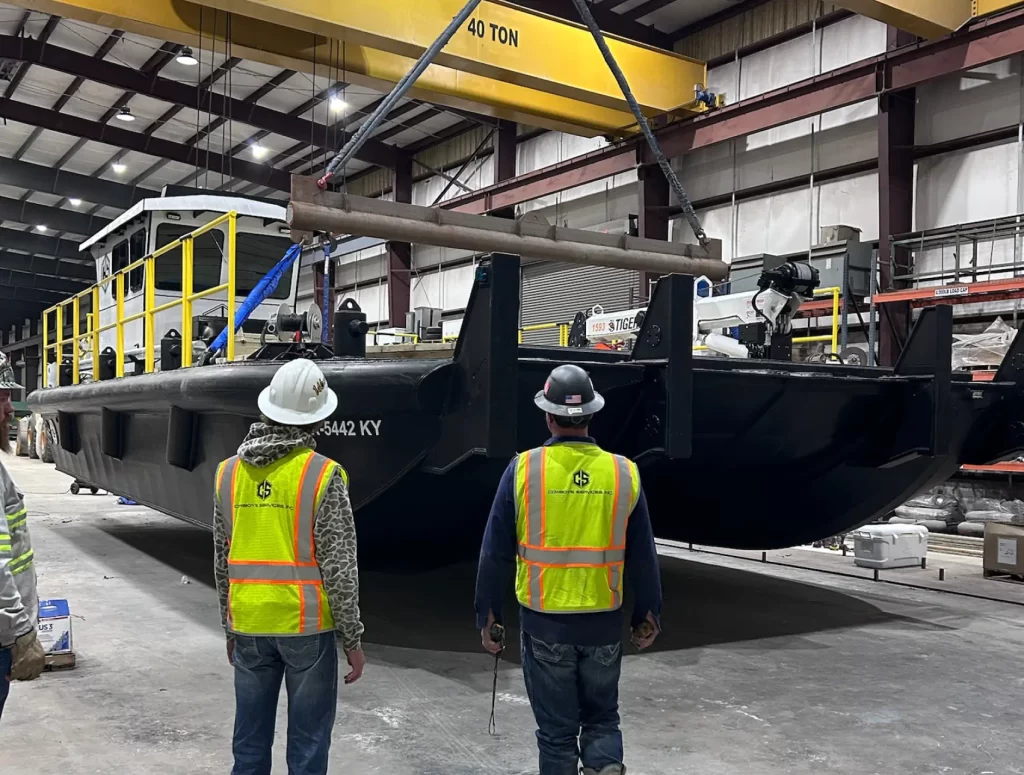
Our HDPE barges and boats are designed, engineered, and manufactured under one roof. That gives us the ability to ensure everything is built to the highest standards and quality possible.
Every hull starts on a CAD station in our own engineering office, gets reviewed by the same team that will build it, and rolls out the door of the facility it was specified in. No outsourced naval architecture, no overseas fabrication, no handoffs between vendors who have never met. The crew welding your barge knows the engineer who drew it, and the engineer knows the operators who will run it.
That vertical integration is the difference between a barge that meets a spec sheet and a boats that solves the actual job in front of you. When you need a deck modification, a custom crane base, or a non-standard hull thickness for a specific operating environment, you are talking to the people who can answer in the same week, not the same quarter.
Built to last, backed by numbers
2,000,000+ lbs. of HDPE sheets shipped
225,000+ lbs. of plastic recycled into boat hulls
500+ miles of abandoned pipe recovered
37 custom
HDPE boats
built
2.5+ miles of welding completed
Common Questions
HDPE farm boats, answered.
Straight answers on saltwater, daily wear, repairs, and putting an HDPE boat to work on the farm.
HDPE does not rust or corrode, so saltwater that eats aluminum and rots metal fittings has nothing to attack. There are no anodes and no bottom paint to maintain, which is why it suits a boat that lives in salt year-round.
Read more on why HDPE suits work boats →Yes. HDPE absorbs the bumps and scrapes of working alongside cages, lines, and docks that dent aluminum and crack fiberglass, and there is no gelcoat to chip. It takes the everyday grind and keeps working.
Read more on plastic boats for aquaculture →Very little. There is no rust to treat, no annual repaint or recoat, and the solid, non-porous hull rinses down easily after a day in the pens. Routine care comes down to basic cleaning.
Read more on HDPE boat maintenance →HDPE is welded, not glued or riveted. Damage is repaired with heat and a strip of the same material, with no gelcoat or laminate to cure, which keeps fixes straightforward and often handles them in-house rather than at a distant yard.
Read more on repairing an HDPE boat →Yes. Deck layouts, rails, racks, and mounting points are configured to the work, whether that is running feed, moving totes and stock, or carrying servicing gear. Because we engineer and build in-house, the boat is set up for your operation.
Read more on custom layouts and options →HDPE does not rust, corrode, or need recoating, it absorbs impacts that dent aluminum and crack fiberglass, and it floats. The trade-offs come down to weight and up-front cost, which is why matching the right hull to your water matters.
Read more comparing HDPE and traditional materials →