01 / IMPACT
Hit the ramp. Hit a rock. Keep fishing.
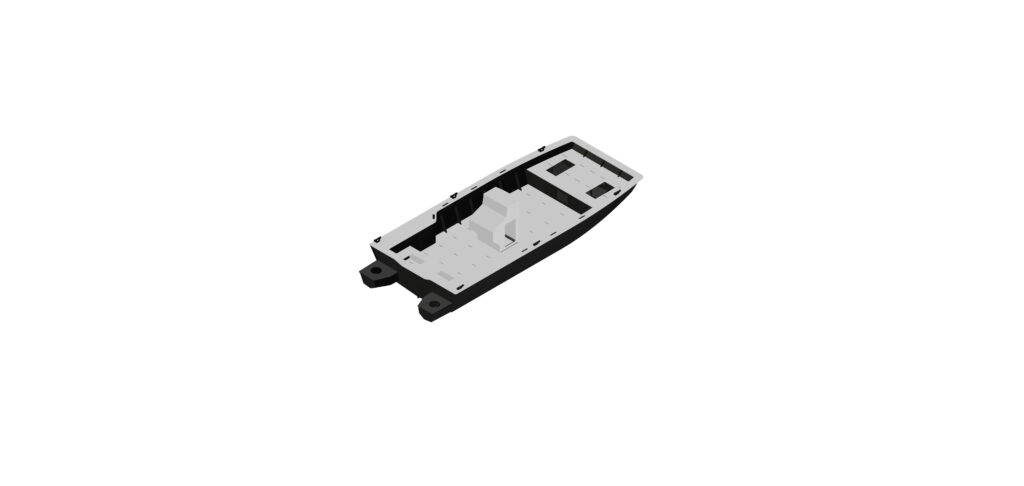
HDPE flexes and rebounds where aluminum dents and fiberglass cracks.
No gelcoat to chip. No rivets to pop.
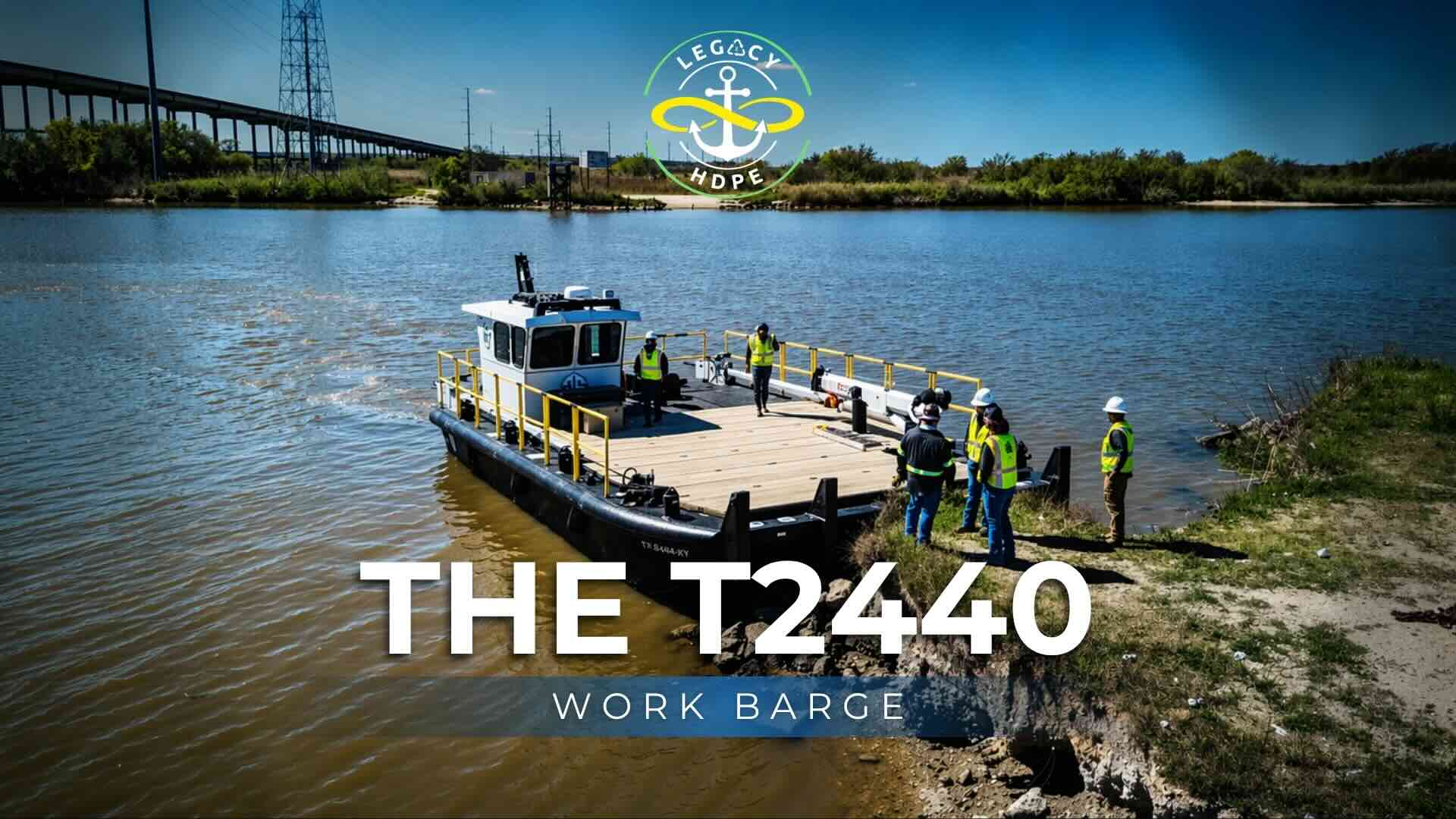
Beach it on a gravel bar, bump a submerged log, drag it up the bank at the takeout. It shrugs it off, and it does it quietly, with none of the aluminum clang that spooks fish and game.
02 / UPKEEP
No rust. No paint. No winter project.
HDPE is inert. It doesn't rust, rot, corrode, or blister, in fresh water or salt.
No bottom paint. No anodes. No gelcoat to buff.
Hose it off at the ramp and put it away. The boat you launch this spring looks the same twenty springs from now.
03 / SUN
Left in the sun all summer. Same color.
Carbon black UV stabilizers run all the way through the material, not just a coat on the surface.
No fade. No chalking. No cracking on the trailer or the lift.
Ten summers of sun and it still looks like the day you brought it home.
04 / STABILITY
Floats even swamped. Steady with the whole family aboard.
HDPE is lighter than water, so the hull holds positive flotation even fully flooded. Density of 0.95 g/cm³ versus 2.7 for aluminum.
A stable platform to stand and cast from, light enough to tow behind a smaller vehicle and launch on your own.
05 / REPAIR
Hit a stump Saturday. Back on the water Sunday.
HDPE is welded, not glued or riveted. A gouge or a crack fixes with a hot air gun and a strip of the same material, in your own shop.
No fiberglass cure time. No dealer wait.
A bad day on the water doesn't write off the boat.
06 / RECOVERED
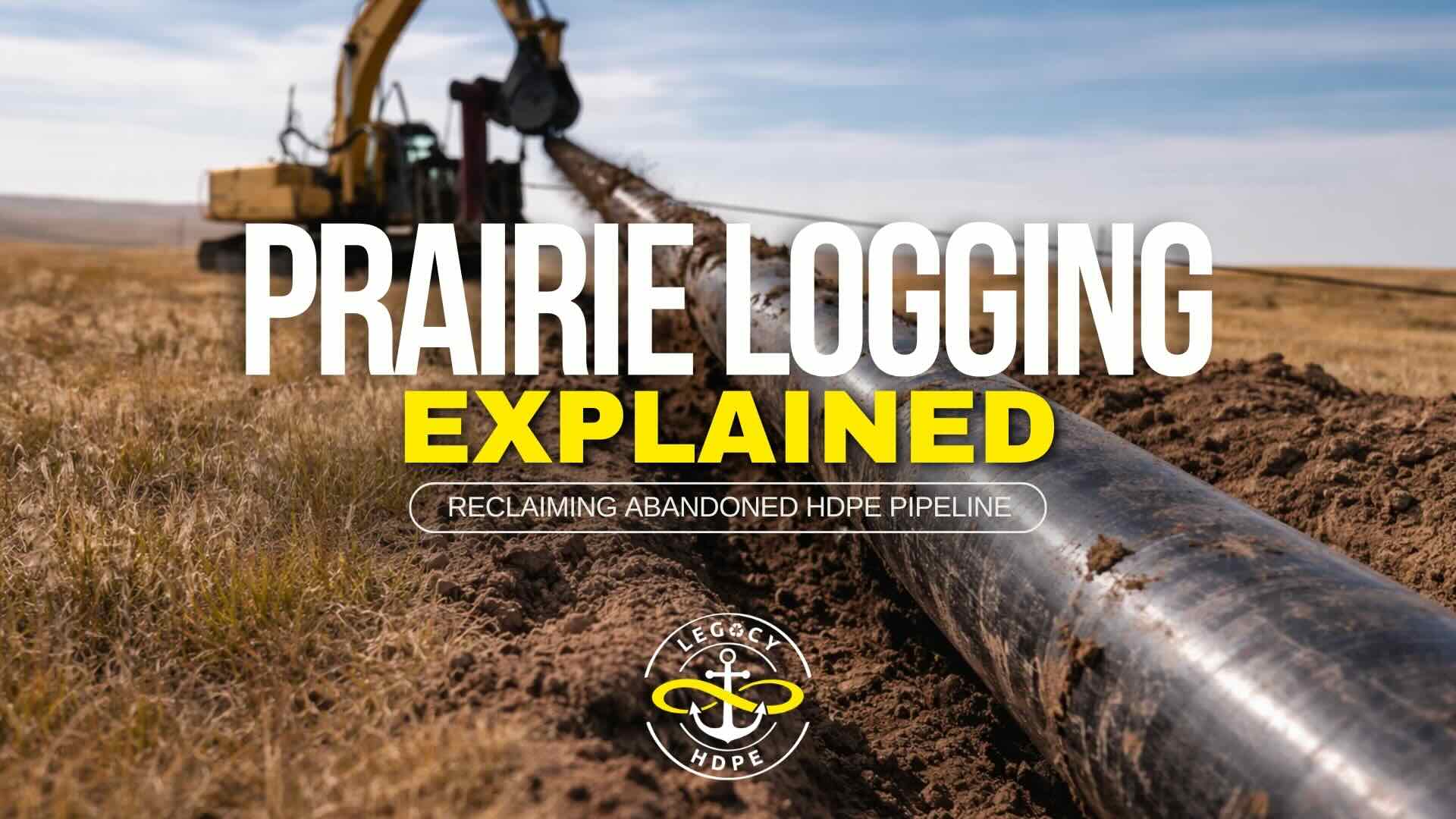
500 miles of pipe. Recovered, not extracted.
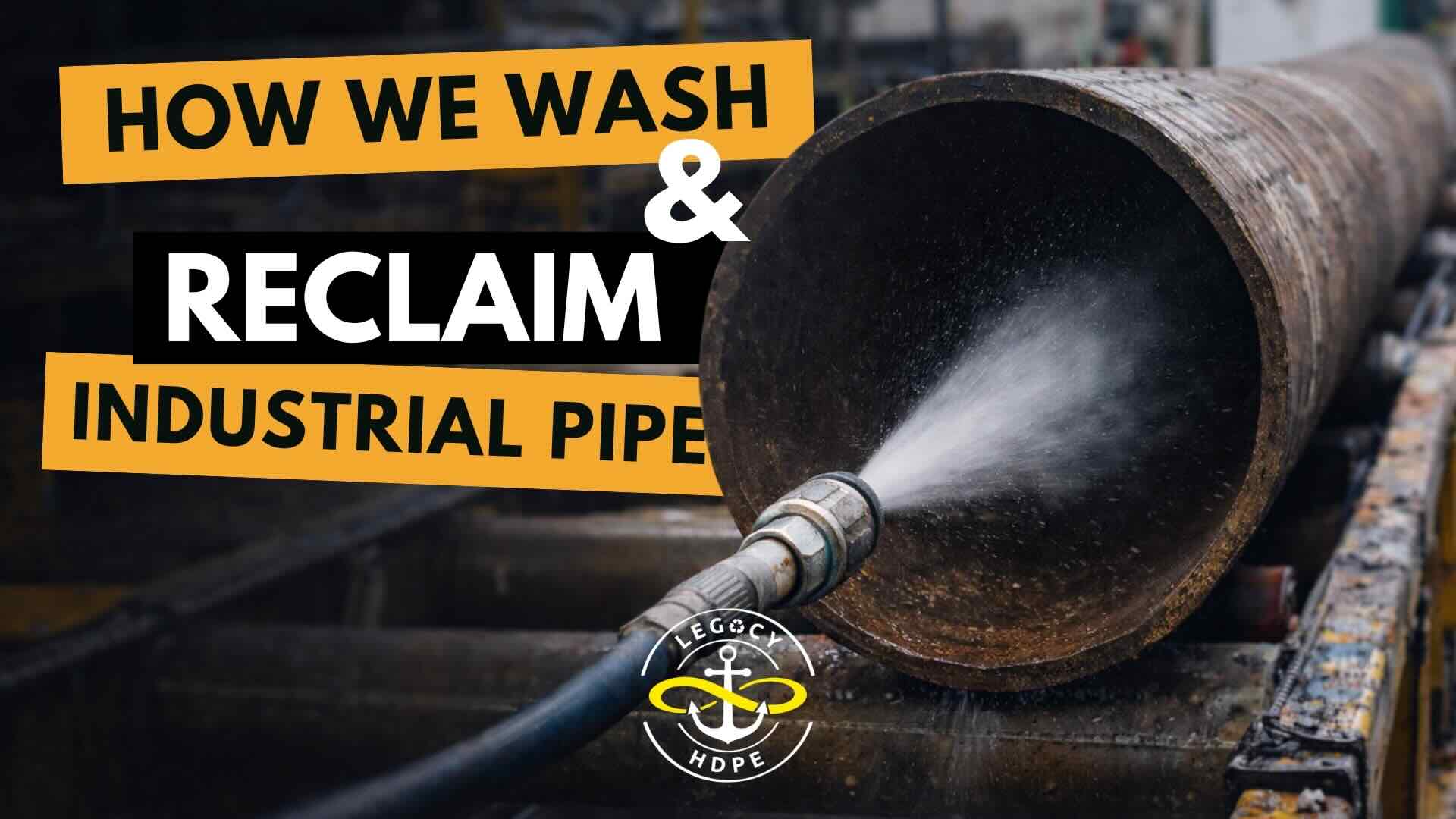
Every Legacy hull starts as decommissioned HDPE pipe pulled from oil and gas fields, washed and reclaimed in Wyoming.
100% recycled, 100% recyclable, made in Wyoming.
A fraction of the carbon footprint of aluminum or fiberglass, and a boat you can feel good about handing down.
 Skip to content