 Skip to content
Legacy HDPE builds plastic boats from high-density polyethylene — the same material specified for offshore aquaculture in Norway, swift-water rescue fleets in the Pacific Northwest, and oil-and-gas workboats in places where aluminum corrodes and fiberglass cracks.
Twenty years on the water. No rust. No bottom paint. No gelcoat repair. Hit a rock, dent a dock, drag it up a beach — the hull bounces back instead of cracking. And every boat is designed, engineered, and welded under one roof in Wyoming.
Every Legacy hull is engineered, welded, and finished by one crew under one roof in Wyoming. When you want a change, the person on the other end of the call is the person holding the welder.
Your build starts at a CAD station with our in-house naval engineers. Beam, seating, deck layout, motor configuration, and hull thickness are spec'd for your shoreline, your guests, and your operating conditions.
No vendor handoffs, no overseas fabrication, no waiting for a translator on the build floor. The engineer who answered your call walks past the hull every day until it ships.
A Legacy boat is a twenty-season asset. We answer build questions, repair questions, and customization questions for as long as the boat is on the water. Same team. Same number.
"I'm very impressed with your craftsmanship and how clean everything turned out. You have the structural integrity to be abused, but lightweight and very clean."
HDPE is a highly versatile material that allows for exceptional flexibility in boat design and performance.
That’s why our lineup includes everything from flat-bottom boats for up to 8 passengers (2,300 lb capacity), to the tech-enhanced Ember series with its panoramic captain’s cabin, and even heavy-duty models built to haul 4,000 lbs over 200+ nautical miles. journeys.
Starting at: $24,500
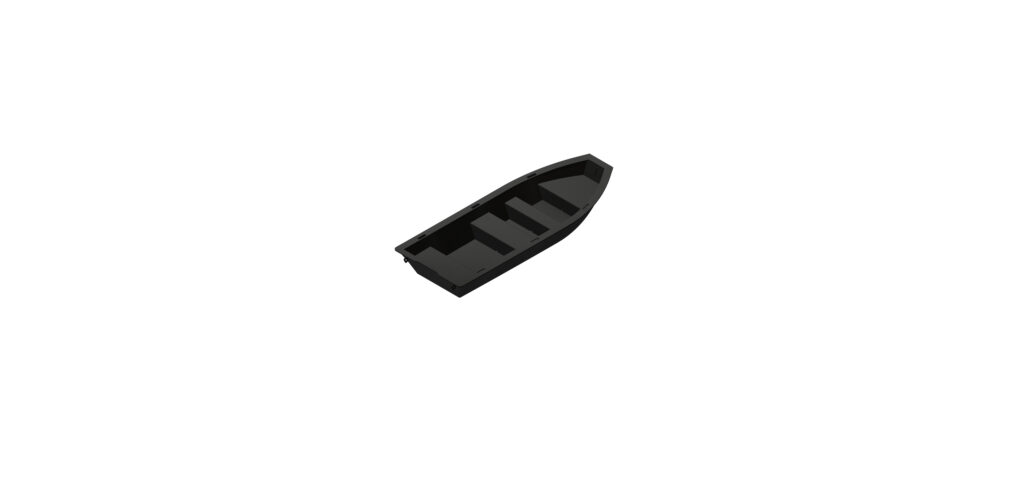
Nimble and durable jon boat frame for any occation.
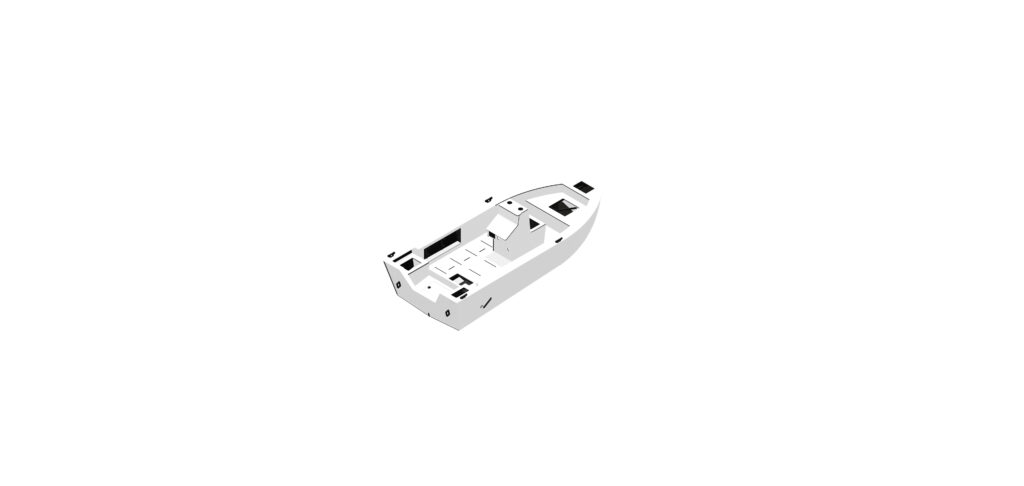
Starting at: $29,200
Designed for shallow water, tight runs, and daylong drift sessions.
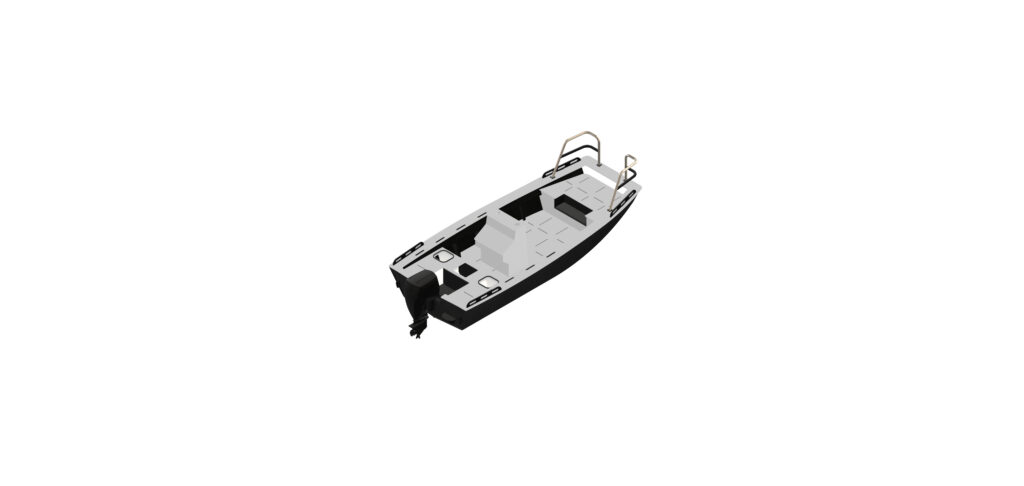
A mini jet boat is tough, trustworthy, and built to handle difficult jobs with ease.
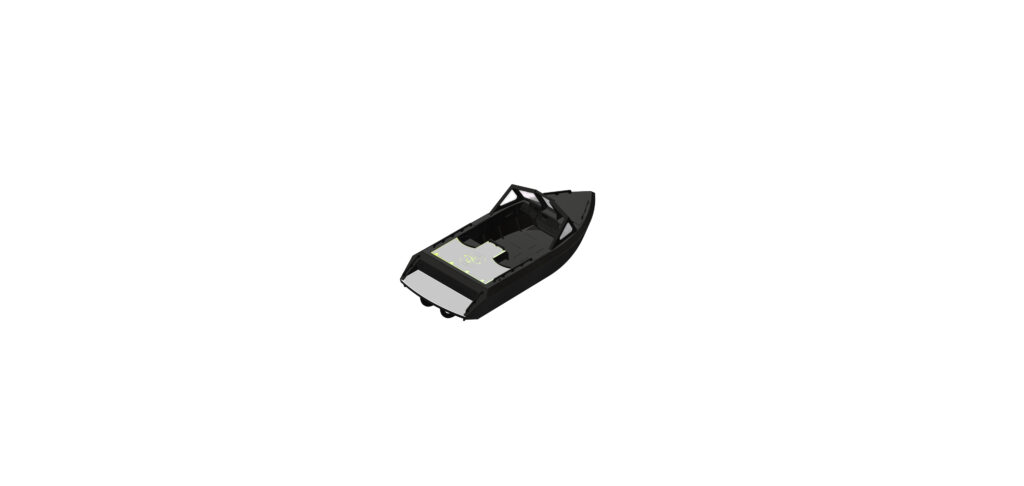
Starting at: $22,600
A recreational boat is built to make your time on the water easy and enjoyable.
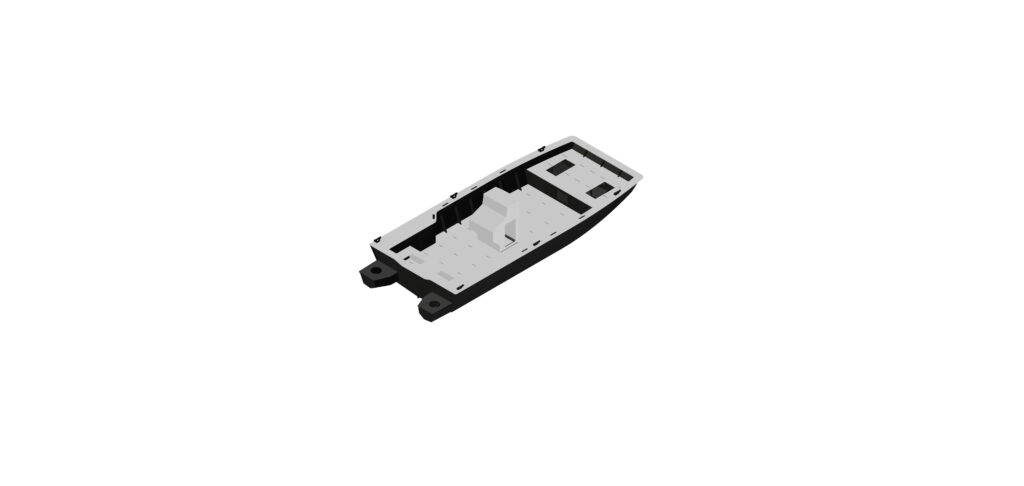
Starting at: $24,800
A flat bottom boat is designed for speed and strength.
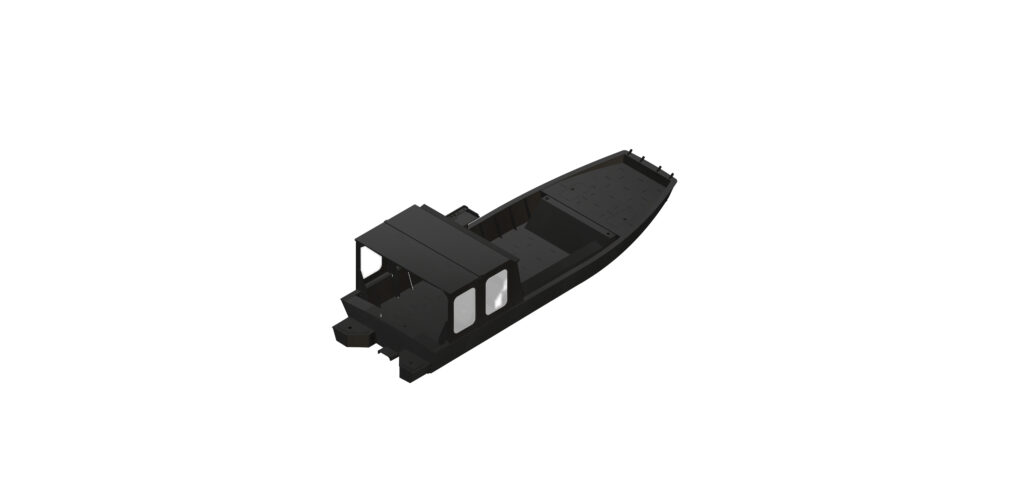
Starting at: $35,600
A rescue patrol boat is designed to withstand the most extreme situations.
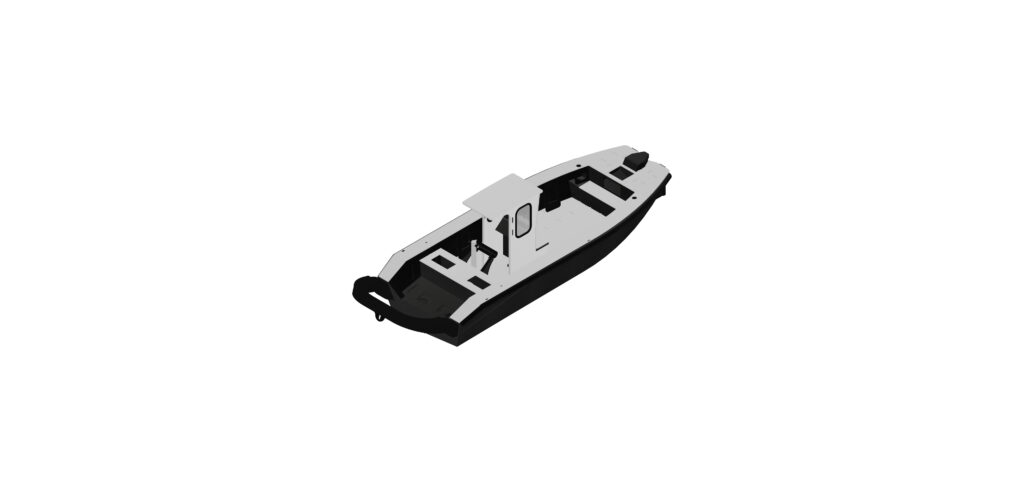
Starting at: $23,400
Designed for versatility and quick handling, perfect for fast-paced offshore tasks.
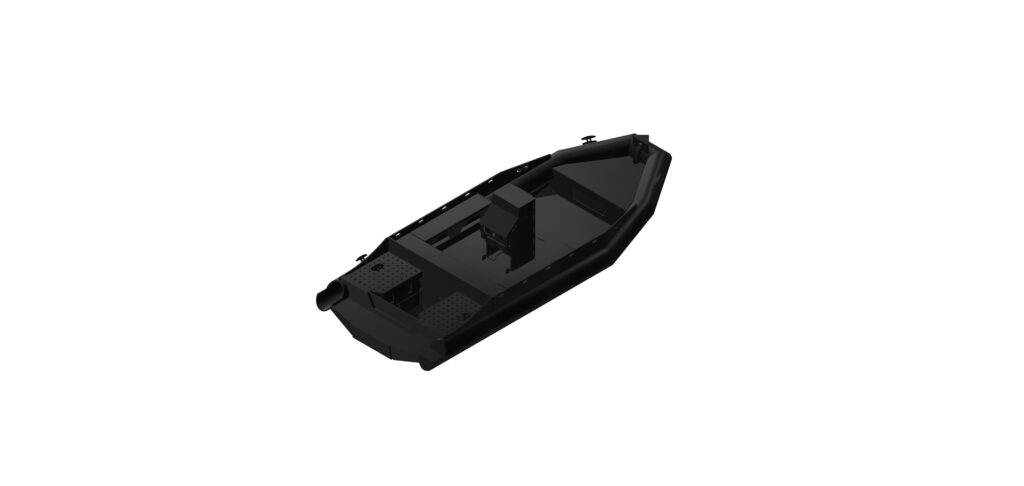
Starting at: $32,200
Designed for confident operation and long-term value.
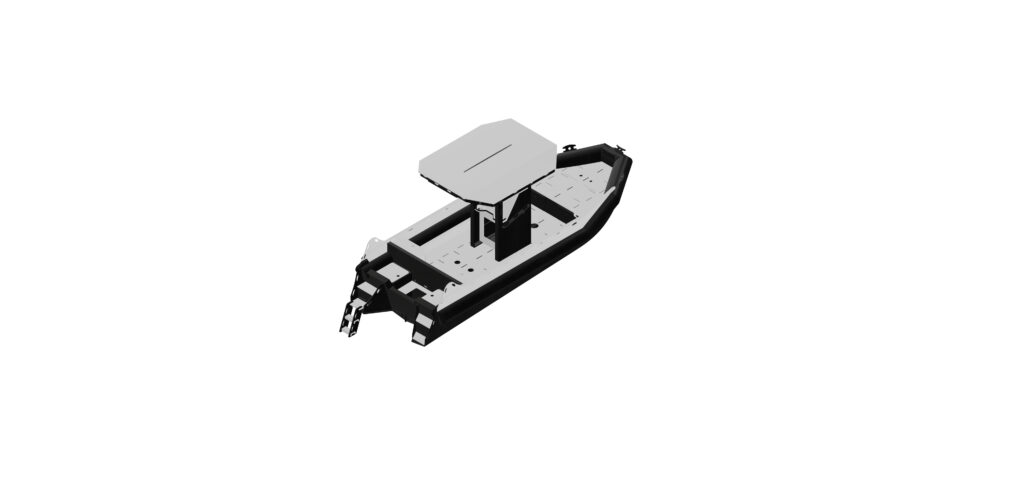
Built from HDPE for maximum durability in tough conditions.
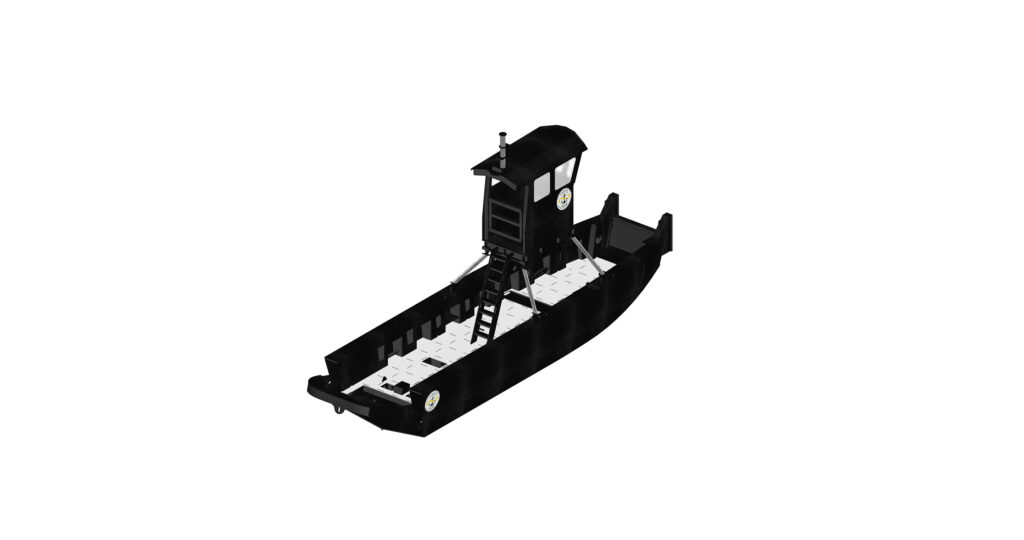
Starting at: $34,000
A powerhouse of strength and versatility, built for tough.
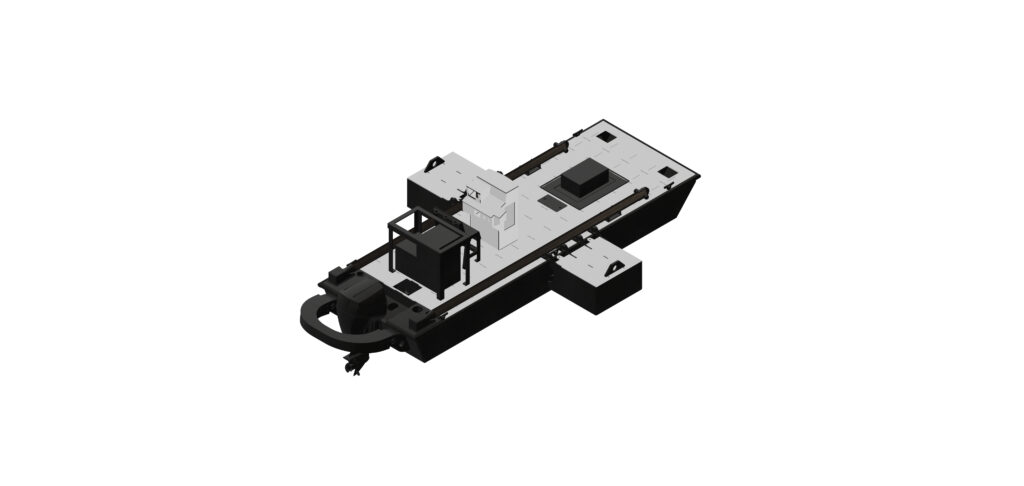
Starting at: $36,700
The barge is tough, reliable, and built for heavy-duty work.

Starting at: $65,600
The barge is tough, reliable, and built for heavy-duty work.
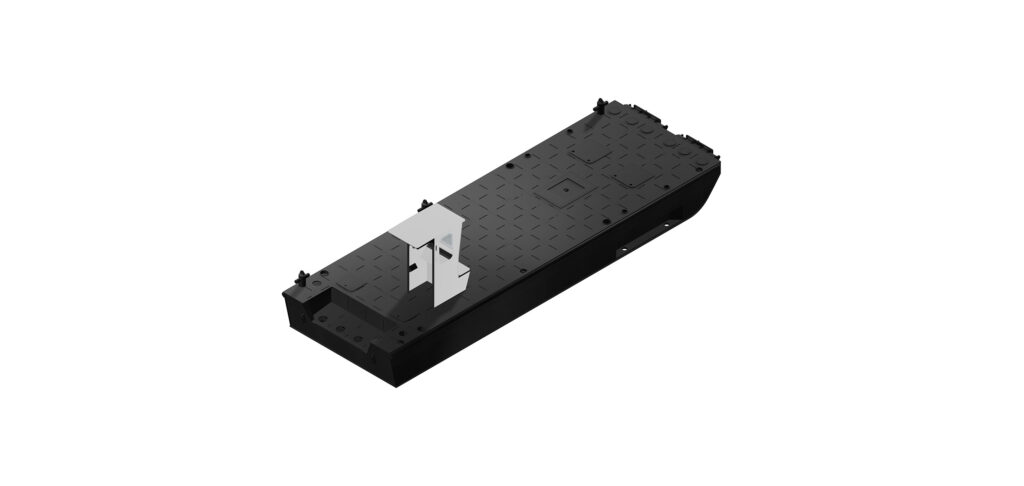
Starting at: $150,400
Built to support large payloads and continuous use.
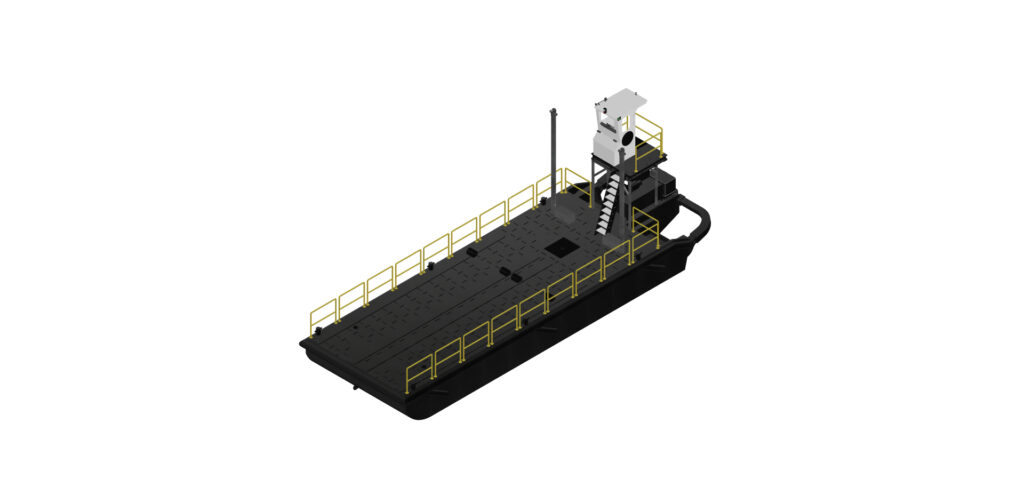
Powerful 40′ HDPE platform engineered for demanding marine environments.
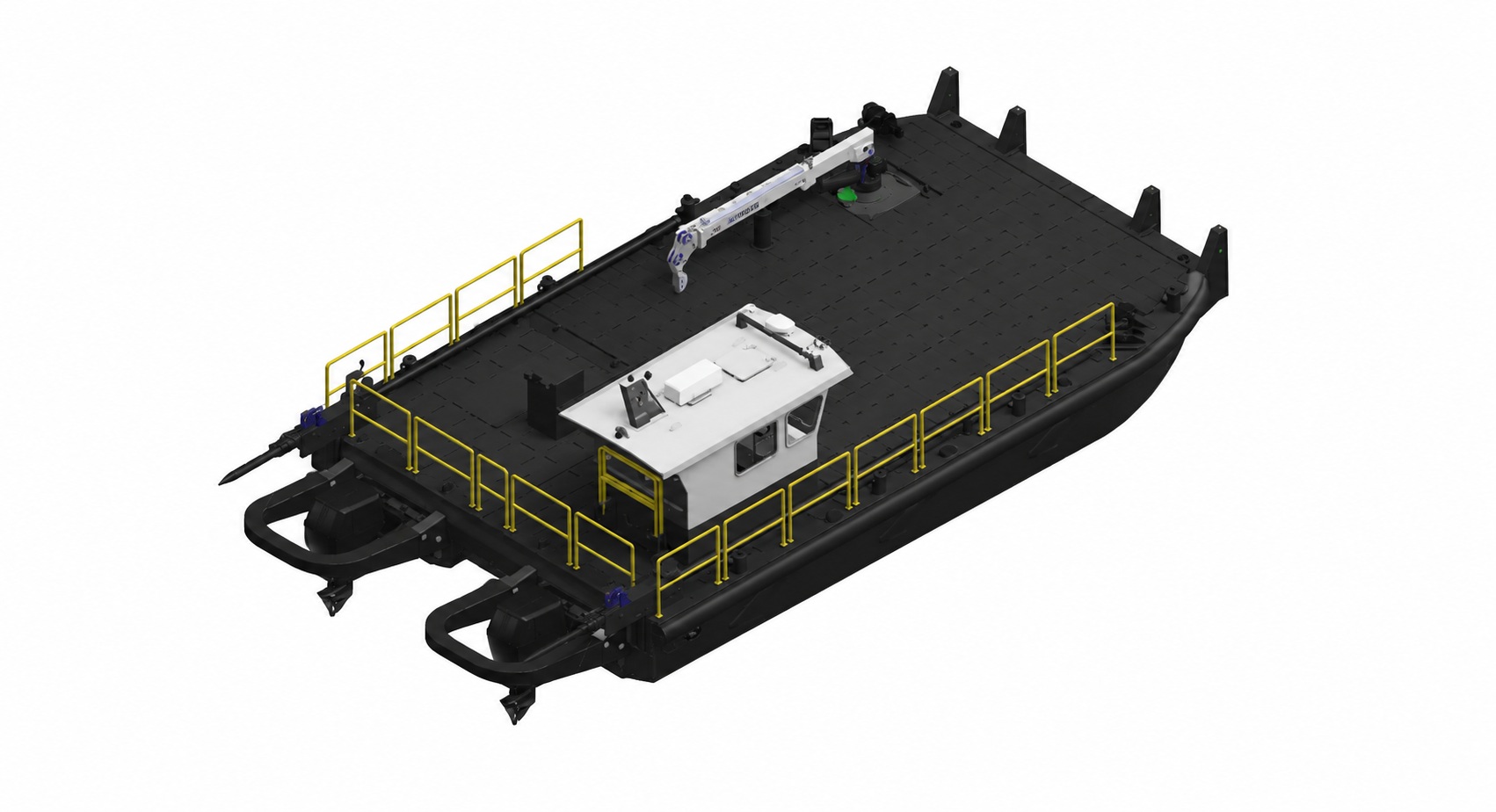
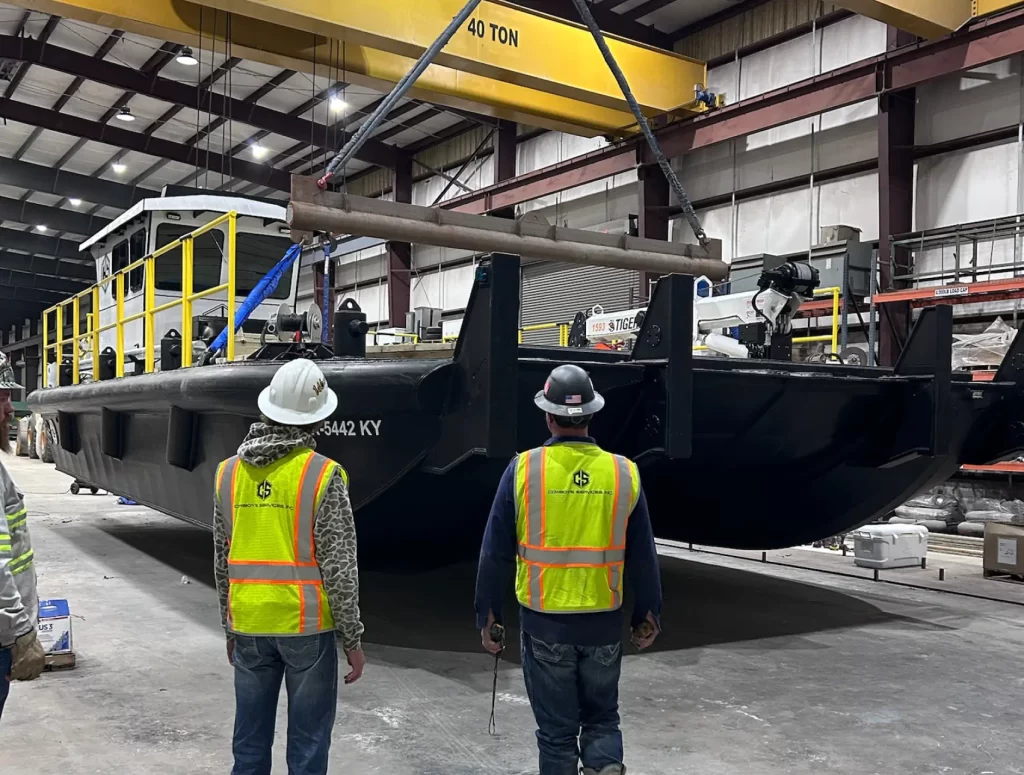
Our barges are designed, engineered, and manufactured under one roof. That gives us the ability to ensure everything is built to the highest standards and quality possible.
Every hull starts on a CAD station in our own engineering office, gets reviewed by the same team that will build it, and rolls out the door of the facility it was specified in. No outsourced naval architecture, no overseas fabrication, no handoffs between vendors who have never met. The crew welding your barge knows the engineer who drew it, and the engineer knows the operators who will run it.
That vertical integration is the difference between a barge that meets a spec sheet and a barge that solves the actual job in front of you. When you need a deck modification, a custom crane base, or a non-standard hull thickness for a specific operating environment, you are talking to the people who can answer in the same week, not the same quarter.
A Legacy plastic boat hauls divers in saltwater. Runs guests across rocky shorelines. Beaches on gravel. Sits in the sun for a decade and still looks new. The hull bounces back from impacts that would dent aluminum and crack fiberglass — and when a customer wants a wider beam, a custom deck layout, or a non-standard motor configuration, we build it that way.
Direct answers to the questions commercial operators, fleet managers, outfitters, and serious buyers ask most. No marketing language.
The plastic boats we build are made from high-density polyethylene, HDPE. The same polymer specified for offshore aquaculture cages, natural gas distribution pipes, and industrial containment systems. HDPE has a density of 0.95 g/cm3, meaning the hull material itself is buoyant. It does not corrode, does not electrolyze, and absorbs impact energy rather than cracking or splitting. We source our HDPE from decommissioned oil and gas pipe, re-extrude it in-house, and weld every hull in Wyoming. The material is 100 percent recycled and 100 percent recyclable.
A Legacy hull is built for a 20-plus year service life under commercial operating conditions. HDPE does not absorb water, does not rust, and the carbon-black UV stabilizers are compounded through the full thickness of the material during extrusion. Not applied as a surface coating. That means no peeling, no recoating, and no gelcoat repair cycles. Your motor will run its service intervals. The hull will still be working when the third motor ships.
No. The color in an HDPE hull is not a surface coating. Carbon-black pigment and UV stabilizers are compounded through the full thickness of the material during extrusion. Scratch the hull and the color is the same all the way through. After decades of UV exposure, HDPE holds its color and its structural properties. No gelcoat to oxidize, no surface to peel, and no repainting schedule to maintain.
Yes. HDPE welds to itself. A technician with an HDPE rod and a hand-held hot air extruder can make structural repairs on the water, on a gravel bar, or at a remote staging site without a shipyard, a haul-out schedule, or a gelcoat kit. This is a significant operational advantage for aquaculture operations running remote net-pen sites, wilderness rescue fleets, and outfitters who cannot afford a multi-week repair cycle during peak season.
Aluminum dents. It corrodes in saltwater environments unless actively maintained. It conducts electricity, creating galvanic corrosion at every metal-to-metal connection on the hull. HDPE does not corrode, does not electrolyze, and does not conduct electricity. That last point matters specifically for electric propulsion systems and any operating environment where galvanic concerns already exist. In impact loading, HDPE absorbs energy and recovers. Aluminum deforms permanently.
An HDPE hull floats. The material density is 0.95 g/cm3, which is lower than water. A fully flooded Legacy hull does not sink. Positive buoyancy is a structural property of the hull material itself, independent of any foam flotation chambers or added buoyancy aids. This is one of the primary reasons HDPE is specified for swift-water rescue craft and patrol vessels where a capsized hull must remain on the surface for crew recovery.
Yes. Our engineering team configures transom spec, mounting height, and bracket geometry around your motor during the design phase. Tiller or remote steering, single or twin outboard, jet drive configurations, and electric outboard systems are all accommodated. The motor selection is part of the build conversation, not an afterthought at delivery. We draw the hull around your propulsion requirements before anything goes to the floor.
Deck layout, seating count and position, motor configuration, crane and davit mounts, A-frame rigging points, livewells, dry storage compartments, bimini track systems, navigation light wiring, and custom hull thickness for specific operating loads. Because we design and weld under one roof, a custom request is a conversation between you, the engineer who draws it, and the crew who builds it. No vendor chain, no translation loss between what you specify and what ships.
Aquaculture and net-pen fish farming, fire and swift-water rescue agencies, municipal parks and wildlife fleets, oil and gas industrial waterways, resort and outfitter rental fleets, commercial fishing and guide services, harbor authority and port operations, search and rescue units, and marine construction platforms. HDPE suits any operating environment where aluminum corrodes, fiberglass cracks, and maintenance costs are measured in labor hours rather than annual recoating fees.
HDPE is chemically inert. Saltwater does not corrode it. Because the hull material does not conduct electricity, there is no galvanic current between the hull and any metal fitting, outboard bracket, or through-hull hardware. No sacrificial anodes on the hull surface, no anti-fouling paint, no blistering. For offshore aquaculture, Pacific coastal rescue operations, and any commercial application where a boat lives in saltwater year-round, HDPE eliminates the corrosion maintenance cycle that drives most of the operating cost in an aluminum hull.
HDPE is 100 percent recycled and 100 percent recyclable. Our hulls start as recovered pipe pulled from decommissioned oil and gas fields, a material stream that would otherwise go to landfill. HDPE manufacturing generates significantly less carbon than aluminum production, and the finished hull requires no bottom paint, no biocide anti-fouling treatments, and no hull coatings that release into the water column. At end of life, the hull material can be recovered and re-extruded. The environmental case for HDPE is structural, not marketing.
Every hull starts at a CAD workstation with one of our in-house engineers. Beam, freeboard, hull thickness, deck layout, and transom spec are drawn to your specific operating conditions before anything goes to the floor. No outsourced naval architecture. No overseas fabrication. No handoffs between vendors who have never met. The crew welding your hull works thirty feet from the engineer who drew it, and the engineer answers your customization questions as long as the boat is on the water.
Our lineup starts at $2,900 for the A15 Jon Boat and scales to $650,000 for the T2440 Work Barge, a 24-by-40-foot powered work platform engineered for demanding marine environments. Price is determined by hull size, motor configuration, deck outfitting scope, and any custom engineering required. Because we build in-house without a dealer network, the cost goes into the build. The most accurate number for your operating requirements comes from a direct conversation with our team or our online quote tool.
Wash the hull down. That is the primary maintenance item for the HDPE itself. No bottom paint application cycle, no gelcoat polishing, no zinc anodes on the hull surface, no recoating schedule. HDPE does not absorb water, does not blister, and does not support marine growth the way porous hull materials do. Your motor, electronics, and mechanical systems run their standard service intervals. The hull will be ready when everything else is serviced.
Start with payload and operating conditions. Define your maximum load, expected sea state, and propulsion requirements before evaluating hull size. Commercial operators should specify crew count, gear weight, and operating range before looking at models. Recreational buyers should prioritize beam width and draft for their water type. Our engineering team builds the specification conversation around your actual job. A hull that fits the catalog is not the same as a hull designed for the operation in front of you.
Our story is one of hard work and the American spirit. From used hdpe pipe shop to becoming one of the highest quality HDPE boat builders in the world. Legacy Innovations is a team of quality people ready to serve.
Plastic Boat Guides
Plastic Fishing Boats Built to Last: The Smart Buyer's Case
What makes a plastic fishing boat a better long-term value than aluminum for guide services, outfitters, and serious anglers who put hours on the water every season.
Read article5 Common Myths About Plastic Boats, Debunked
The claims that keep buyers from exploring HDPE, and the engineering data that settles each one. If you have heard any of these, read this first.
Read articleKey Facts About Plastic Boats Every Buyer Should Know
Material properties, lifespan data, and the operational advantages that separate HDPE construction from conventional plastic boat alternatives on the market.
Read articleThe Rise of Plastic Boats in Recreational Boating
How HDPE hull technology moved from commercial and industrial applications into the recreational market, and why buyers who made the switch are not going back.
Read articleWhy a Plastic Flat Bottom Boat Belongs on Your Next Hunt
Shallow draft, silent approach, and impact resistance against rock bars and gravel shorelines. Why waterfowl hunters and backcountry anglers are choosing HDPE.
Read articlePlastic Boats Built for Aquaculture Operations
Net-pen environments, year-round saltwater exposure, and heavy gear handling. Why HDPE is the specification choice for aquaculture support and harvest vessels.
Read articleHow to Choose the Right Material for Your Workboat
A practical framework for evaluating hull material against your operating environment, maintenance budget, and expected service-life requirements before you buy.
Read articleAre Plastic Boats Safe? What Buyers Need to Know
Buoyancy, impact load, electrical isolation, and structural integrity. The safety properties of HDPE explained in engineering terms, not marketing terms.
Read article Optimized by Seraphinite Accelerator