Skip to content

Law enforcement dive teams need a platform engineered for their specific mission. A dive team support boat is more than transportation. It’s a mobile command center, equipment storage facility, and safe entry and exit point for divers working in challenging water conditions. The right boat directly impacts mission success and diver safety.
Hull Design, Stability, and Material Selection
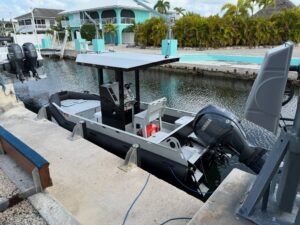
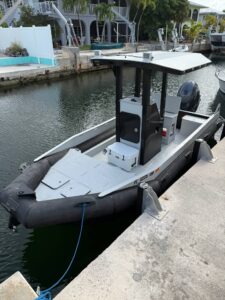
Dive support operations depend on a stable, versatile platform capable of performing in lakes, rivers, harbors, and coastal waters. Wide beam designs and proper weight distribution keep the boat steady while divers enter and exit the water, move around the deck with heavy equipment, or conduct recovery operations. Most dive support boats are also trailerable, allowing agencies to deploy quickly to inland or coastal locations without requiring permanent mooring. Proper trailer systems, engine protection, and adequate fuel capacity help teams reach remote sites and remain operational throughout extended missions.
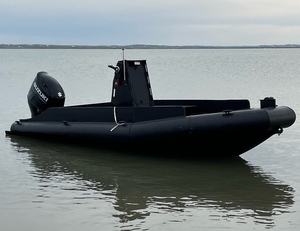
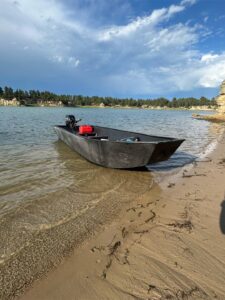
Choosing the right hull material is equally important. HDPE offers excellent impact resistance and is well suited to demanding marine environments where vessels regularly encounter docks, submerged debris, and rough operating conditions. Unlike steel, HDPE doesn’t rust, and unlike aluminum, it doesn’t require ongoing corrosion management in saltwater. Compared with aluminum, steel, fiberglass, and rigid-hull inflatable boats (RIBs), welded HDPE platforms combine durability, stability, and low maintenance while providing the deck space and structural strength required for dive operations.
Access and Entry Systems
Divers entering and exiting the water need safe, efficient access routes. The best dive platforms include multiple entry points. Hydraulic bow doors allow controlled water entry for divers conducting underwater work at the bow. Port and starboard side doors provide alternate access points, critical when divers surface away from the primary entry location or when supporting multiple divers in different areas simultaneously.
Dual dive ladders mounted on the hull make recovering divers fast and safe. Divers in full dive gear with equipment weigh significantly more than they do in street clothes. Ladders must be robust enough to support this weight without deflection or damage to the hull.
The entire access system should be usable by divers wearing thick gloves, masks, and heavy gear. Simple, intuitive designs work better than complex mechanisms requiring precise manipulation underwater or in low-visibility conditions.
Equipment Storage and Organization
A dive operation involves substantial equipment. Scuba tanks, regulators, depth gauges, underwater cameras, metal detectors, sonar equipment, drysuits, rescue lines, and communication systems all need secure storage and quick access.
Professional dive platforms include dedicated tank racks capable of holding 8 to 14 scuba tanks depending on boat size. These racks keep tanks organized, secured against shifting during operation, and ready for divers to grab and use. Hose racks, tool lockers, and equipment shelving should be distributed around the deck to keep working areas clear while maintaining access to critical gear.
Lifting eyes and davits installed on the platform allow safe recovery of heavy equipment or injured divers without manual strain. For agencies conducting extended operations or multiple recovery attempts in one mission, this equipment becomes essential.
Cabin, Environmental Control, and Electronics
The cabin serves as the operational hub during dive missions. Heated cabins help divers recover safely after cold-water entries and provide space for pre-dive briefings, while air conditioning offers relief during warm-weather operations. Blackout shades create a low-light environment for reviewing sonar imagery, video footage, and dive site maps.
A dedicated diver control station allows the dive master and surface personnel to maintain communications, monitor equipment, and coordinate operations. Modern dive platforms also integrate radar, chartplotters, GPS, side-scan sonar, backup cameras, thermal imaging, and diver communication systems to improve situational awareness, document recovery locations, and help teams locate underwater targets before divers enter the water. Freshwater wash-down systems allow equipment to be rinsed immediately after use, extending service life and reducing contamination.
Specifications for Law Enforcement Success
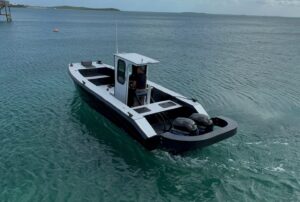
Ideal dive platforms range from 25 to 36 feet depending on agency size and operational requirements. A 28-foot dive team support boat accommodates a typical dive team with equipment, electronics, and personnel while remaining mobile and trailerable. Larger 36-foot platforms suit departments with multiple dive teams or extended operational requirements.
An effective law enforcement dive support boat should:
- Provide stable working deck space with non-slip surfaces
- Include secure storage for 8 to 14 scuba tanks
- Maintain at least 4 to 6 feet of cabin headroom for briefings and command operations
- Install dual dive ladders and multiple access points
- Support installed radar, sonar, GPS, and communication systems
- Provide dry storage for equipment, drysuits, and sensitive electronics
- Withstand extended saltwater or challenging freshwater environments
Dive teams don’t operate on a fixed schedule, so reliability is just as important as capability. A well-built platform should be ready for immediate deployment with minimal maintenance requirements, delivering the same dependable performance during routine training as it does during emergency response operations. Consistent performance helps crews focus on the mission instead of equipment reliability.
Choosing the Right Dive Support Platform
Choosing the right dive team support boat means investing in equipment that supports your mission without creating unnecessary logistics challenges. The best dive support platforms combine smart engineering, durable materials, and mission-focused design.
Our HDPE hulls are engineered for the demands of law enforcement operations while providing the durability and low maintenance your department needs. Check out our catalog to find the best option for your team or contact us about building a custom boat.