...

Built for the marine unit that works every shift.

American-made HDPE patrol boats for law enforcement marine units, sheriff’s offices, and harbor patrol. Engineered in-house in Wyoming to run shift after shift with no rust, no recoating, and no annual haul-out.

Why HDPE for patrol

The boat is no good to you tied to the dock.

A marine unit needs a boat that launches when the call comes, not one waiting on a repair. Hard daily use, different operators every shift, and weather that does not wait. HDPE takes all of it, and we weld every hull from it.

Material properties of HDPE
01 / UPTIME

Ready when the call comes in.

HDPE does not rust, pit, or blister, so there is no bottom paint and no annual yard bill pulling the boat out of rotation. It stays on the trailer or in the water, ready for the next shift, not stuck in a repair queue.

02 / IMPACT

Take the dock strike and keep going.

HDPE absorbs impacts that dent aluminum and crack fiberglass, with no gelcoat to chip. Night launches, fast approaches, and hard landings are part of the job, and the hull shrugs them off.

03 / EVERY OPERATOR

Built for a different driver every shift.

A patrol boat gets handed off constantly, and HDPE forgives the wear that comes with it. No fragile finish to baby and no surface that punishes a hard day, just a hull that keeps showing up.

04 / REPAIR

Damaged on duty? Welded, not written off.

HDPE is welded, not glued or riveted, so a repair is heat and a strip of the same material. No gelcoat to match and no fiberglass cure time keeping the boat off the water.

05 / VALUE

Recovered pipe. Made in Wyoming.

Every hull starts as decommissioned HDPE pipe, reclaimed and rebuilt in-house. 100% recycled, 100% recyclable, and American made, with a build trail your procurement office will like.

Recommended Builds

The right boat forevery patrol.

Two HDPE hulls, matched to the water your marine unit actually runs.

Inland & river

Lakes, rivers, and reservoirs. Routine patrol, enforcement, and shoreline checks close to the ramp.
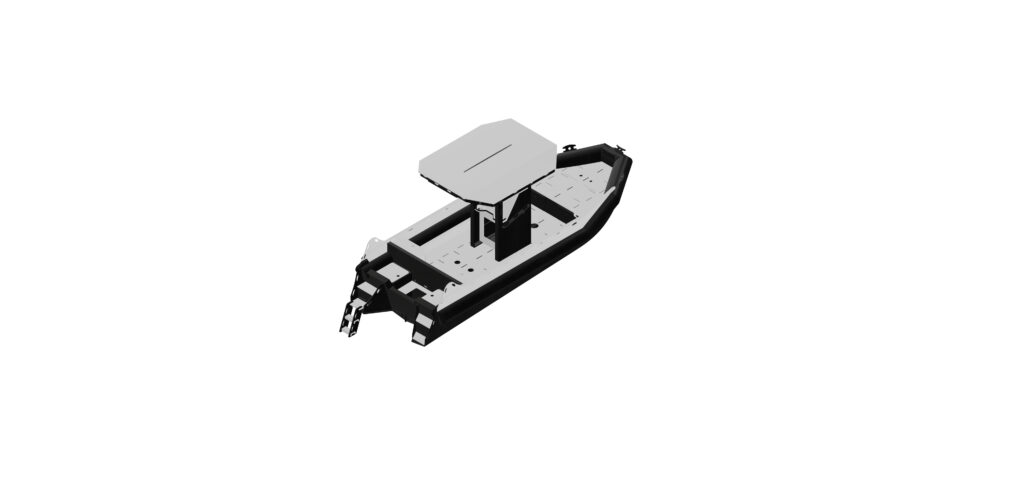
L820 HDPE Boat

Starting at $41,000

L820 HDPE Boat

A steady 20-foot platform with the deck space and fuel range for long patrol shifts. A 55-gallon fuel system keeps the boat out on the water, with the low maintenance HDPE is known for.

Capacity

1,583 lbs

Team

Up to 4

Length

20' LOA

Range

200 nm

Coastal & open water

Harbors, bays, and open water. Faster response and rougher conditions on bigger water.
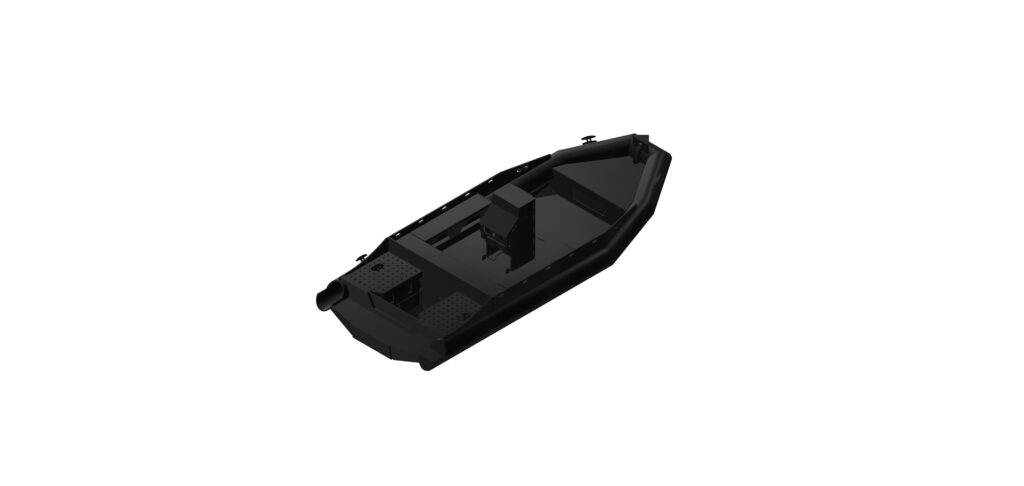
L718 RIB Boat

Starting at $28,200

L718 RIB Boat

An HDPE RIB built for agility and speed in fast-paced work on open water. A quick, stable hull for patrol and rapid response, tough enough to take the chop and keep its pace.

Capacity

1,044 lbs

Team

Up to 3

Length

17' LOA

Range

200 nm
Where They Work

One boat, every call on the water.

Routine patrol

A stable, low-maintenance hull for daily presence on lakes, rivers, harbors, and waterways.

Rapid response

The L718 RIB brings agility and speed to fast-paced calls when minutes on the water matter.

Search & recovery

A quiet, low-wake platform with an open deck for dive teams, sonar, and recovery gear.

Water rescue

A foam-filled hull with positive flotation and a low freeboard that makes recoveries easier.

Cold-water & ice patrol

HDPE keeps its impact toughness below freezing, where aluminum dents and fiberglass cracks.

Event & waterway security

A dependable platform for regattas, public events, and high-traffic zones that need a presence.

Built from the
molecular level up.

HDPE Barge Building

American Made

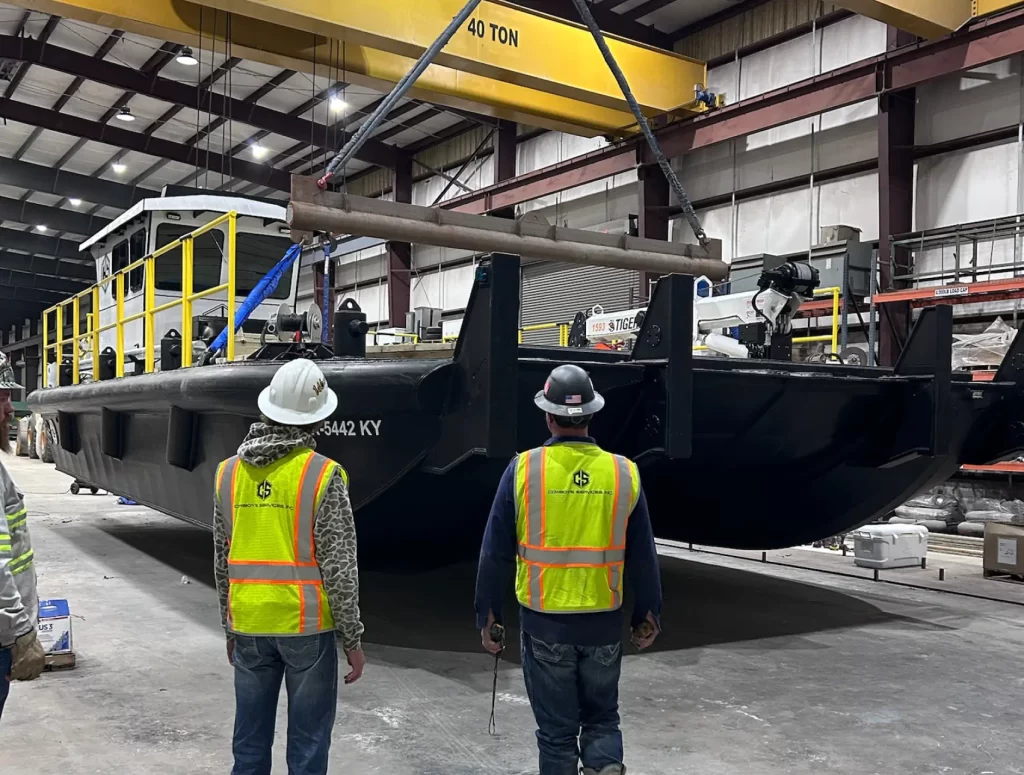
Our HDPE barges and boats are designed, engineered, and manufactured under one roof. That gives us the ability to ensure everything is built to the highest standards and quality possible.

Every hull starts on a CAD station in our own engineering office, gets reviewed by the same team that will build it, and rolls out the door of the facility it was specified in. No outsourced naval architecture, no overseas fabrication, no handoffs between vendors who have never met. The crew welding your barge knows the engineer who drew it, and the engineer knows the operators who will run it.

That vertical integration is the difference between a barge that meets a spec sheet and a boats that solves the actual job in front of you. When you need a deck modification, a custom crane base, or a non-standard hull thickness for a specific operating environment, you are talking to the people who can answer in the same week, not the same quarter.

Built to last, backed by numbers

2,000,000+ lbs. of HDPE sheets shipped

225,000+ lbs. of plastic recycled into boat hulls

500+ miles of abandoned pipe recovered

37 custom
HDPE boats
built

2.5+ miles of welding completed

Common Questions

HDPE patrol boats, answered.

Straight answers on durability, uptime, field repairs, and fitting out a Legacy patrol boat.

HDPE absorbs impacts that dent aluminum and crack fiberglass, and the hull is solid material rather than a coated shell, so there is no gelcoat to chip under daily docking, debris, and hard landings. It takes the abuse of constant use and keeps running.

Read more on the strength of recycled HDPE hulls

A patrol boat gets handed off constantly, and HDPE forgives the wear that comes with it. There is no fragile finish to baby and no surface that punishes a hard day, so the boat keeps showing up shift after shift with minimal upkeep.

Read more on HDPE boat maintenance

Legacy hulls are built with foam-filled positive flotation. A swamped boat keeps floating and stays usable as a working platform, which is the condition a marine unit cannot afford to lose in the middle of a call.

Read more on how HDPE boats handle safety

HDPE is welded, not glued or riveted. Damage is repaired with heat and a strip of the same material, with no gelcoat to match and no fiberglass cure time, which keeps fixes straightforward and often handles them in-house rather than at a distant yard.

Read more on repairing an HDPE boat

Yes. Power packages, deck layouts, consoles, and mounting points are configured to your mission, from lighting and electronics to equipment racks. Because we engineer and build in-house, mission-specific gear is part of the build rather than an afterthought.

Read more on custom layouts and options

HDPE does not rust, corrode, or need recoating, it survives impacts that dent aluminum and crack fiberglass, and it floats. The trade-offs come down to weight and up-front cost, which is why matching the right hull to your patrol water matters.

Read more comparing HDPE and traditional materials
Seraphinite AcceleratorOptimized by Seraphinite Accelerator
Turns on site high speed to be attractive for people and search engines.