Skip to content

Polyethylene is just about everywhere. From your sandwich bags to industrial-grade water tanks, this plastic powerhouse is a go-to material for countless applications. It’s tough, flexible, and available in several varieties. But there’s one thing that often flies under the radar: how temperature affects its performance.
If you’re working with polyethylene, knowing how it behaves under different thermal conditions isn’t just helpful, it’s essential.
Not All Polyethylene Is the Same, Especially Under Heat
Let’s get one thing straight: polyethylene isn’t a one-size-fits-all material. The way it’s made, whether its structure is more branched or linear, or what additives are mixed in, can drastically change how it handles heat.
Here’s how the three most common types of polyethylene stack up when things start to warm up:
LDPE (Low-Density Polyethylene)
This is the flexible one. Thanks to its branched molecular makeup, LDPE is lightweight and melts at relatively low temperatures.
Melting Point: 105–115°C (221–239°F)
Usable Temperature Range: -50°C to 85°C
Glass Transition Temperature (Tg): ~ -100°C
Common Uses: Plastic wrap, grocery bags, squeeze bottles, shrink film
LDPE is perfect when you need bendability and cold tolerance. It handles freezing temps well and can even survive a spin in the microwave—just don’t push it near boiling for long stretches.
HDPE (High-Density Polyethylene)
Think tougher and more heat-resistant. Its linear structure gives it more density and rigidity than LDPE.
Sustained Temp Limit: ~100°F (38°C)
Short-Term Max: 120–130°F (49–54°C)
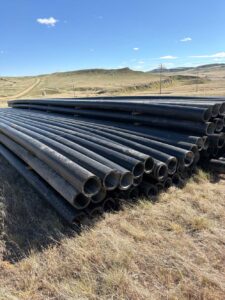
Typical Uses: Pipes, tanks, containers, outside equipment
This one’s a workhorse. It resists impact and pressure, sunlight as well (even more so if treated with ultraviolet-resistant additives like carbon black).
XLPE (Cross-Linked Polyethylene)
Need serious heat resistance? (XLPE ups the ante by chemically bonding its polymer chains, for more structural strength.)
Sustained Temp: ~100°F (38°C)
Spike Resistance: To 140°F (60°C)
Typical Uses: Boilers, electrical insulation, plumbing, industrial systems
It is particularly good at holding its shape, and efficiency, in harsh conditions where some other plastics might begin to sag.
Why Care about Temperature Range?
The decision about the type of polyethylene to buy isn’t simply a matter of checking some boxes off a list, it’s about keeping your operation safe, efficient and cost effective.
Chemical Reactions: Some chemicals react with PE differently at other temperatures. Higher heat might accelerate degradation.
Thermal Expansion: When PE gets too hot (or too cold), it can warp, lose strength, or even fail entirely.
Manufacturing Flexibility: LDPE is easy to mold at low temps. HDPE and XLPE take more heat to shape, but they reward you with higher performance.
So whether you’re packaging frozen peas, installing water lines, or building equipment that’ll face scorching sun, make sure your polyethylene is up to the task.
Looking for a Polyethylene That Can Handle the Heat?
At Legacy HDPE, we are experts in performing under pressure, both under physical pressure and thermal pressure. From tanks that can handle full containment EHS factors, to high volume large diameter tanks, or even old-fashioned dip tanks that are simple, but effective, PVC is the material of choice for thousands of corrosion resistant tanks, vessels and other process equipment.
Come visit us and see what we have to offer, or consult with our experienced professionals.